


Cosmetics manufacturing combines complex formulations with high production speeds and exacting expectations around quality. A small change in a mixing process can affect an entire batch, while a packaging or surface defect can make an otherwise acceptable product unsaleable. Edge AI is well suited to this environment because it can interpret production data as it is generated and highlight problems early enough for the production team to respond.
What is Edge AI?
Edge AI places trained machine-learning models close to the manufacturing process itself. The model may operate on a smart camera, an industrial computer or another local device, allowing production data to be interpreted quickly without sending everything to a remote cloud platform.
This can reduce reliance on network connectivity and limit the amount of information that needs to be transferred elsewhere. Edge AI is already used in applications such as industrial inspection and predictive maintenance, where decisions need to be made quickly and close to the process. In manufacturing, it can help identify defects, recognise unusual equipment behaviour and spot process drift earlier.

Inspecting labels and packaging
Cosmetics lines often handle products with very similar packaging, creating a risk that the wrong label, component or artwork is used. Edge AI can check whether packaging is present, correctly positioned and appropriate for the product being made. It can also read barcodes or batch codes and reject an affected item before the error continues down the line.
Detecting product defects
Cracks, bubbles and uneven filling can occur in products such as lipsticks, pressed powders and balms. These defects are not always consistent enough to be captured by simple inspection rules. A trained vision model can learn the difference between acceptable variation and a true defect, allowing products to be inspected at line speed.

Monitoring batch quality
Cosmetics production depends on tightly controlled processes, and small changes may not become apparent until final testing. Edge AI can compare live process data with previous successful batches and identify when behaviour begins to drift.
The same data may also give an early indication of how properties such as viscosity are developing. This would not replace formal quality testing, but it could give the production team time to investigate or adjust the process before the batch is complete.
Planning maintenance before failure
Production equipment generates useful information about its condition as it operates. Edge AI can use signals such as vibration or motor current to recognise changes associated with wear. It can also distinguish developing faults from normal variation caused by the product or process stage, allowing maintenance to be planned before a failure interrupts production.
Reducing changeover errors
Frequent product and packaging changes increase the risk of mistakes. An edge system can confirm that the correct components have been loaded and that the line is ready to restart. It does not need to automate the full changeover to be useful; an additional verification step may be enough to prevent a costly error.
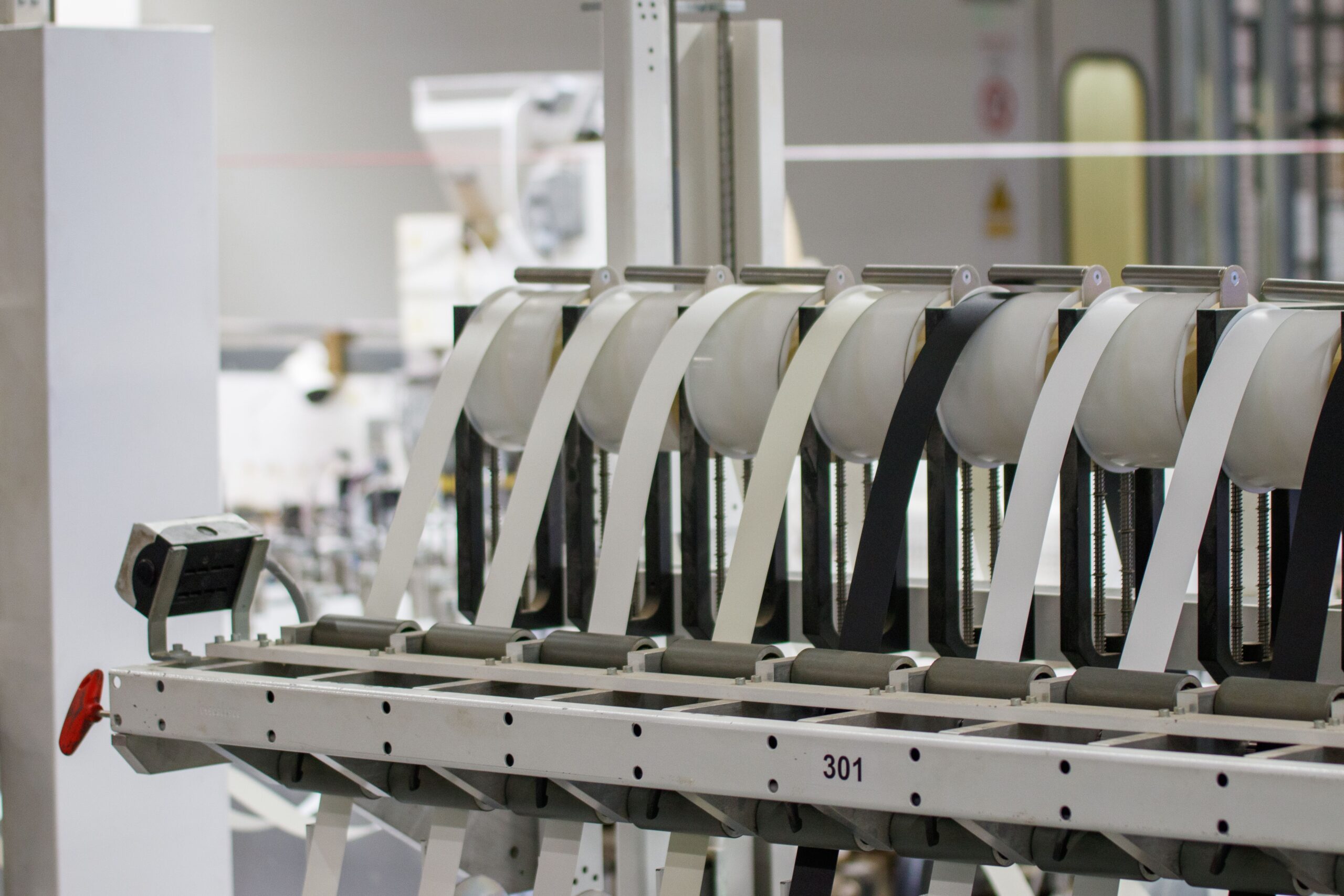
Giving operators faster access to information
A locally hosted language model could help operators find approved information more quickly. Instead of searching through manuals or procedures, an operator could ask for guidance on an unfamiliar alarm or rarely used task. Keeping the system on site can help protect production information and maintain access during a network outage, although any deployment would require clear limits and human oversight.
What does successful implementation require?
A successful Edge AI system starts with a clearly defined manufacturing problem, not with the technology itself. The team needs to understand what information the system will use, what it needs to determine and how that result will be acted on. It must also establish whether AI is the best approach or whether conventional automation would solve the problem more simply.
Successful deployment depends on close collaboration between process specialists, data scientists and engineers who can integrate the model into production equipment.
The system must then be tested under real operating conditions. A model that works in a controlled demonstration may behave very differently when materials change, sensors become dirty or lighting conditions vary.
42 Technology combines manufacturing insight with AI and systems engineering to develop solutions that work in practice. We help identify where Edge AI can add practical value, then support its development, integration and validation for the production environment.
Continue the conversation
This article was written by Mikhail Gaishun, Electronics and Embedded Systems Engineer at 42 Technology, and explores themes discussed during our Software Solutions webinar with Cosmetics Cluster UK on 14 July 2026.
To discuss a potential application or explore how Edge AI could support your cosmetics manufacturing process, get in touch with Zeynep Bagwell, Head of Personal Care.

Zeynep Bagwell
Head of Personal Care
Zeynep is Head of Personal Care at 42T, where she helps clients navigate the intersection of science, innovation, and commercial success. With an MSc in Human Molecular Genetics from Imperial College London and a BSc in Molecular Biology and Genetics, Zeynep brings deep scientific insight to product and technology development.