A leading medical-device company needed additional engineering capacity to maintain momentum across the development of its customisable platforms. 42T provided flexible multidisciplinary support across testing, design and documentation, alongside targeted process and software improvement. This included a bespoke data-processing tool that was around 20 times faster than the existing system.
Key outcomes
The challenge
The client, a leading medical-device company, was developing technology platforms that could be tailored to meet the requirements of different customers. Creating this flexibility had significant commercial potential: rather than developing a single product, the client could use its platform technology as the basis for a broader range of customised solutions.
Progressing the platforms required sustained engineering input across testing, design development, technical documentation and optimisation of both the device mechanisms and supporting test equipment. With internal engineering capacity constrained by competing programmes, the client needed additional engineering capability to keep platform development moving at pace.
42T’s solution
42T rapidly mobilised a multidisciplinary engineering team to support testing, design and documentation across the client’s development programmes. The team adapted its focus as priorities changed, adding specialist capacity without being tied to a single predefined work package. Once familiar with the client’s equipment, processes and quality systems, 42T engineers were able to work with a high degree of independence, reducing the management burden on the client.
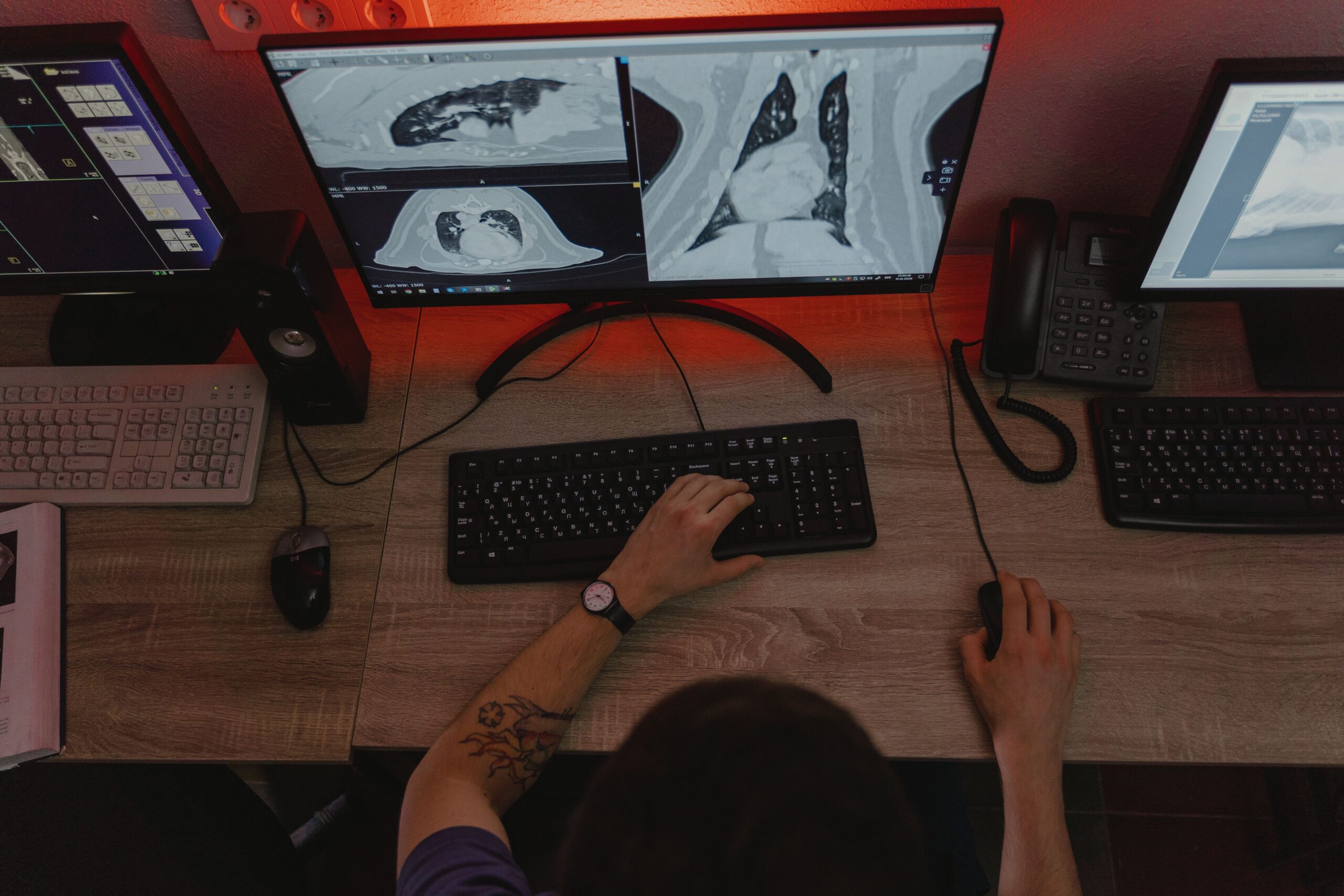
By working closely within the client’s development team, 42T gained visibility of opportunities to improve the wider development process. One significant bottleneck was the processing and analysis of test data. 42T addressed this bottleneck by developing a bespoke data processing computer tool that automated much of the process. The tool processed test data around 20 times faster than the previous system, significantly shortening the time between completing a test and having results available for engineering review.
42T continued to evolve the computer application as requirements and user needs changed. Engineer feedback informed improvements to visualisation, navigation and identification of out-of-specification results, while the deployment architecture was reworked towards a single, centrally hosted processing environment.
Together, the engineering support and process improvements helped the client continue to progress device solutions tailored to different customer requirements. Ongoing 42T involvement has allowed the data processing tool to evolve with the programme, preserving technical knowledge as requirements have changed. This has given the client a faster, more controlled way to turn test data into engineering insight and support ongoing product development.
Why 42T?
Meet the team

Andy is a seasoned design & usability leader with over 35 years of experience, including 20 years specialising in medical devices and usability. With a BA (Hons) in Product Design from Sheffield Hallam University, he has worked globally across sectors such as consumer, industrial, scientific and medical, delivering innovative solutions for clients.

Martin is a Principal Consultant at 42T with over 25 years of experience developing innovative medical devices. With a BEng in Mechanical Engineering from Munster Technology University in Cork, Martin brings deep technical expertise combined with a proven ability to lead multi-disciplinary teams through complex development programmes.
Let us help you